Mia is a coach who actually explains your training. Your plan arrives Sunday night, written in full sentences. She edits around your week. She doesn't write reports. She reads your ride.
Most training apps show you a plan. Koers explains one. The difference is a single word: because.
Every session this week comes with a sentence about why it's there. The Tuesday VO2 block is there because your last three weeks of threshold work have built the base to absorb it. The easy Wednesday ride is there because the hard day needs something quiet after it. The Saturday long ride ends at four hours because Gravel Worlds is 206 miles and the last time you went long you came back empty.
Mia doesn't show you a dashboard. She reads the dashboard and tells you one sentence. The numbers — TSB, HRV trend, CTL — are under the hood. What surfaces is the coaching.
The plan arrives Sunday at 8pm. Read it in two minutes. Get on your bike Tuesday.
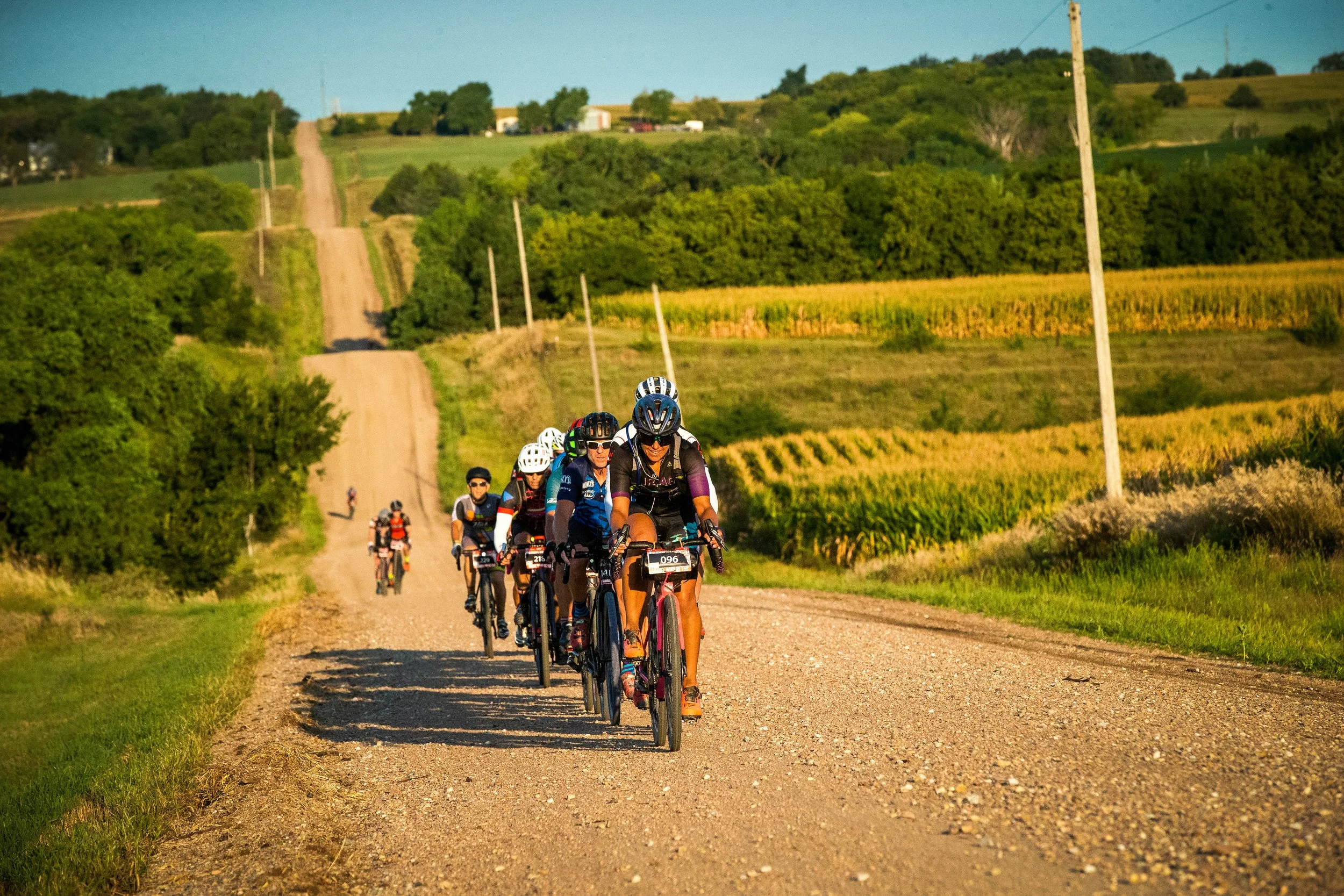
Gravel is different from road racing in one practical way: the weather actually matters. Wind direction on an exposed section changes the effort by thirty watts. A dry-season route becomes sand in late June. Lightning is the real danger, not rain.
Koers learns your actual weather thresholds — not the ones you say you have, but the ones revealed by what you actually ride in. It combines that with the hourly forecast and gives you one or two windows per day. Not a percentage chance of riding. A window, and a reason to take it.
The routing is gravel-native. "Pioneers loop, backwards — counter-clockwise puts the SW wind at your back for the last 45 minutes." That sentence isn't filler. It's the difference between an enjoyable ride and a grinding one.
Mia doesn't ask you if you want to ride. She tells you when, and why now.
The plan changes. That's not a bug — it's the product.
When a session moves, you see it as a tracked edit: the old row crossed out, the new one slotted in. Mia writes one sentence about why. Not an apology. Not a recommendation. A statement of fact: "Tuesday didn't happen. The week's load is still inside the band — we lose 30 TSS, not the block."
This is what separates a training plan from a training tool. A plan is a static document. A tool responds to what actually happened. Koers is the tool that rewrites the plan so you don't have to decide how.
Most training apps put that decision on the rider. Miss a session and you're left with a week that no longer makes sense — do you make up Tuesday on Thursday? Double up Saturday? Koers absorbs the miss and re-patterns the week. You get to keep riding without reverse-engineering your own training.
The goal isn't perfect execution. It's a consistent relationship between what you planned and what your body can do. Mia manages that gap so you don't have to.
The training apps you've used measure the wrong thing. They count rides. They reward the streak. They congratulate you on the easy Saturday spin and stay quiet on the day you should have rested.
Koers measures fatigue. Specifically: Training Stress Balance — the rolling difference between the fitness you've built over the last six weeks and the fatigue you've accumulated in the last seven days. It's the same number a WorldTour coach uses to taper a rider before the Tour. It's also a number you can ignore most of the time, because Mia reads it for you.
What you'll see, instead, is the sentence. "You're at −4 TSB, exactly where I want you before Gravel Worlds." Or: "We've been at +8 for two weeks. Tomorrow needs to hurt." The number is under the hood. The decision is on the page.
This is the difference between a training tool and a coach: a tool shows you the dashboard. A coach reads the dashboard and tells you one sentence.
Workouts push to your device before you leave. Rides come back the moment you stop. No exports, no folders, no cables.
The first month is free. No card, no streaks, no notifications. Just a paragraph from Mia, every Sunday night, until you don't want it.